Wheat Husk About
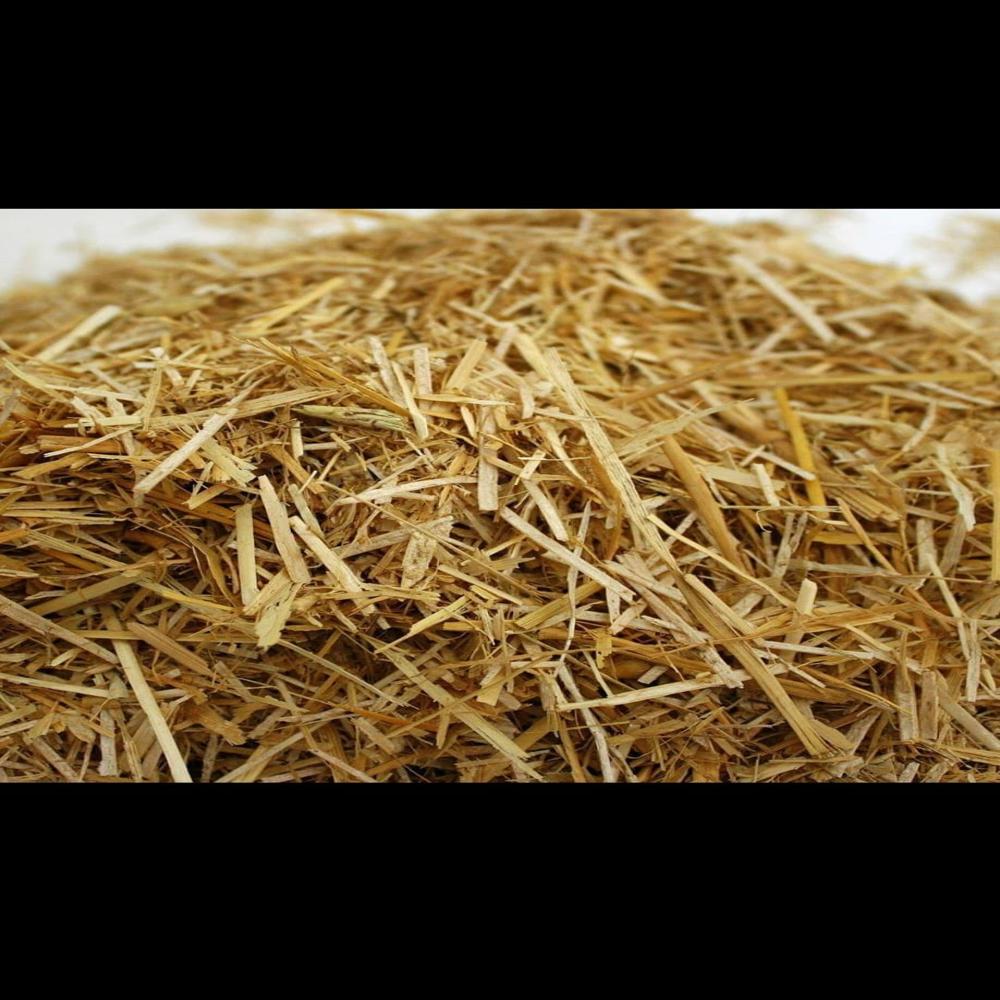
Wheat husk, also known locally as bhusa or chaff, is the dry, scaly outer protective layer of a wheat grain. It is a fibrous, light brown, and lightweight agricultural byproduct separated during the milling or threshing process. While inedible for humans, it is rich in cellulose and lignin
Natural Fiber-Rich Solution for Livestock and FarmingWheat Husk offers a sustainable, high-fiber choice suitable for cattle, horses, poultry, and organic farms. Its blend of nutrients-fiber, protein, carbohydrates, and low fat-makes it highly beneficial for animal diets and agricultural applications. Sourced as an agricultural by-product, this material also supports eco-friendly practices such as composting and biofuels, aligning with the needs of both feed manufacturers and organic farm operators.
Quality and Versatility You Can TrustProcessed under stringent conditions, Wheat Husk boasts over 98% purity, low ash (4-6%), and neutral odor. Its light brown to golden yellow color signifies freshness and quality, and it's available in practical pack sizes of 25 kg, 50 kg, or bulk. Thanks to its low bulk density and stable pH (6.0-7.0), it is easy to store and handle, ensuring hassle-free usage across industries.
FAQ's of Wheat Husk:
Q: How should Wheat Husk be stored for optimal shelf life?
A: To maximize shelf life up to 12 months, Wheat Husk should be kept in a cool, dry place, protected from moisture. Store the product in tightly closed sacks, bags, or containers to avoid contamination and maintain quality.
Q: What are the main benefits of using Wheat Husk as animal feed?
A: Wheat Husk provides dietary fiber (30-40%), essential for healthy digestion in livestock such as cattle, horses, and poultry. Its balanced carbohydrate (60-70%) and protein (3-5%) content, along with low fat, support overall animal health and nutrition.
Q: Can Wheat Husk be used for purposes other than animal feed?
A: Yes, Wheat Husk is highly versatile. Besides animal feed, it is used as organic fertilizer, bedding material for animals, in composting, and as a biomass resource for biofuel production, making it beneficial for sustainable agriculture and energy industries.
Q: What is the process used to prepare Wheat Husk for commercial supply?
A: Wheat Husk is mechanically processed and dried, then chopped or shredded to the desired form. This ensures a consistent texture and low moisture content, enhancing purity and usability across different applications.
Q: When is the ideal time to incorporate Wheat Husk into animal feed or compost systems?
A: Wheat Husk can be added any time fresh or high-fiber material is needed, particularly during feed formulation or when initiating new compost batches. Its stable shelf life allows for flexible stocking and use throughout the year.
Q: Where is the Wheat Husk sourced from?
A: It is sourced as an agricultural by-product from wheat grain processing, utilizing the outer husk layers that are separated and processed for further use.
Q: What makes Wheat Husk suitable for organic and sustainable applications?
A: Being a natural, minimally processed by-product with high fiber and purity, Wheat Husk supports organic farming methods and circular agriculture. It reduces waste and provides a renewable alternative for feed, fertilizer, and bioenergy.




 Send Inquiry


 Send Inquiry
